A NOTE FROM AMY
Why this playbook exists.
Raw Urth hoods have appeared in AD Italia, Luxe, House Beautiful, Mountain Living, and Colorado Homes. Every single one of those placements happened because a designer, one of our partners, knew how to navigate the submission process. We watched. We learned. And we noticed that the designers who got placed weren't always the ones with the most stunning projects. They were the ones who understood the unwritten rules.
So we wrote them down.
This playbook is a working document built from what we have observed across years of supplying hoods to projects that ended up in publications. It is not a guarantee. We cannot place your project; only an editor can do that. But we can hand you a map, the same one our published partners have been using, plus everything we have learned about how to support a submission from the maker's side.
If you are reading this, you are in the Studio. That means when you submit a project that includes a Raw Urth hood, we will support that submission with everything we have: maker imagery, process video, a statement from Amy, and an introduction to the photographers who shoot our work well. No other vendor in this category will do that for you. Use it.
Welcome to the Studio.
Amy, Founder + CEO
HOW TO USE THE PLAYBOOK
This document has eight sections. You do not need to read them in order, but most designers benefit from working through Sections 1 through 3 the first time (they reset assumptions about what publications actually want) and then returning to Sections 4 through 8 as reference material when a specific project is ready to submit.
1
The Ladder
Explains why your portfolio strategy should start with regional titles, not national.
2
The Room
Walks through the publication landscape and what each title is realistically looking for.
3
The Rules
The part most designers skip but shouldn't: the unwritten rules editors will never tell you.
4
The Photos
Covers photography, the single biggest determinant of whether your submission gets opened.
5
6
7
8
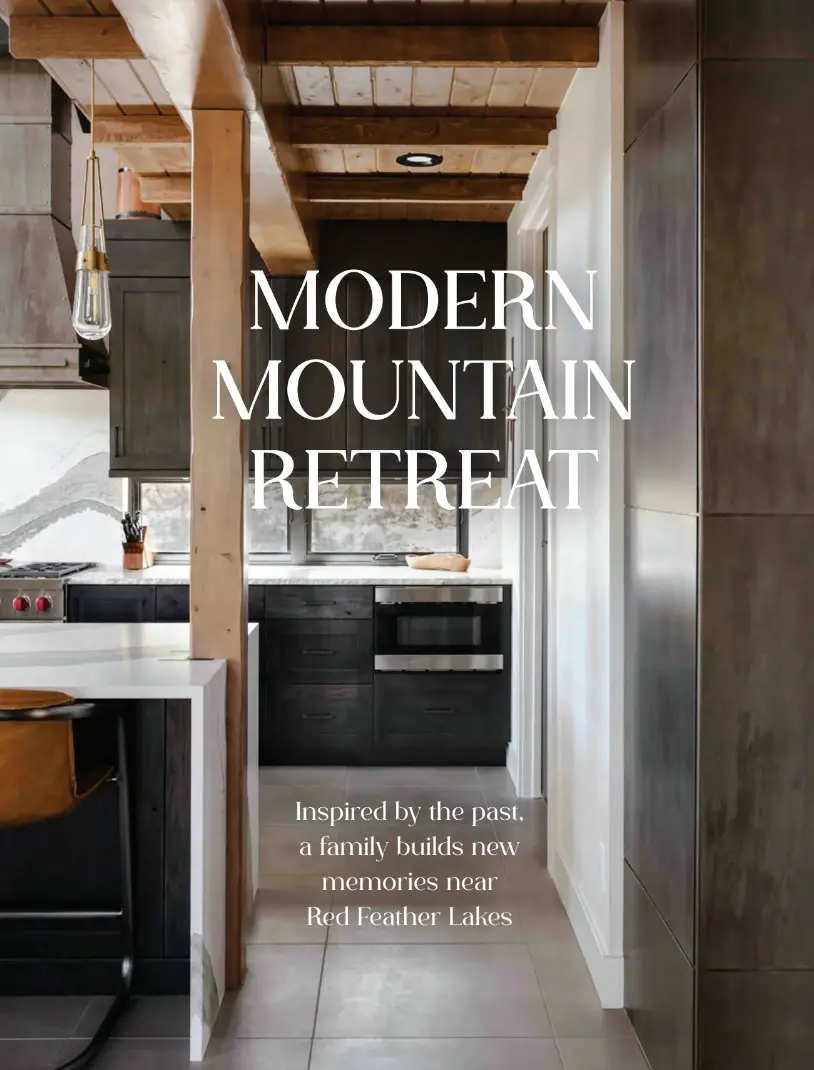
CLIMB THE LADDER. DON'T JUMP TO THE TOP.
The single biggest mistake we have watched designers make over the years is sending their publication pitch to Architectural Digest too soon. AD's national edition publishes roughly 100 to 120 features per year. They receive thousands of submissions. Their editorial calendar is set six to twelve months out. Their default answer is no.
The designers we have seen get placed at AD almost always built up to it. They placed first in a regional title. Then a lifestyle title. Then a national second-tier title. By the time they pitched AD, they had clips, relationships with editors, and a track record. Their pitch landed differently because it came from someone who was already in the conversation.
THE SUBMISSION LADDER
Most designers can move up this ladder over two to four years if they are deliberate about it. The Studio members we have watched succeed treat each placement as the springboard to the next one, not as a finish line.
Colorado Homes, Mountain Living, Aspen Magazine, Cottages & Gardens, Atlanta Homes & Lifestyles, etc.
Highest acceptance rates. Editors actively seek emerging local designers. This is where everyone should start.
Galerie, Western Art & Architecture, Robb Report, Mountain Living national features, regional editions of larger titles
Smaller circulation, often more focused on specific aesthetics.
House Beautiful, Veranda, Traditional Home, Elle Decor
Higher bar, but still publishing many more designers per year than AD.
National editions worldwide | AD Italia, AD France, AD Germany, AD Mexico, AD India, AD Middle East
Surprisingly underused by American designers. International AD placements count as AD placements.
The top of the ladder!
FROM THE RAW URTH FILES
Many published Raw Urth kitchens started in regional publications before being picked up nationally. One Colorado Homes feature was later expanded into a Mountain Living national piece. One House Beautiful feature began as a regional editor's referral. The ladder is real. Designers who skip it usually go unpublished.
KNOW THE ROOM YOU ARE PITCHING TO.
Every publication has a personality, a typical aesthetic, and an editorial appetite that shifts year to year. Pitching the wrong project to the right publication is the most common cause of rejection, and the easiest to avoid. Before you write a single sentence, spend an hour with the current issues of any publication on your target list. You are not researching their content; you are researching what they have already decided is publishable this season.
AD US is the prize. It is also the most editorially curated of the major shelter titles. Their preference leans toward projects with a narrative, a famous client (named or anonymous), a striking architectural intervention, a heritage home reimagined, or a designer doing something genuinely unusual with materials.
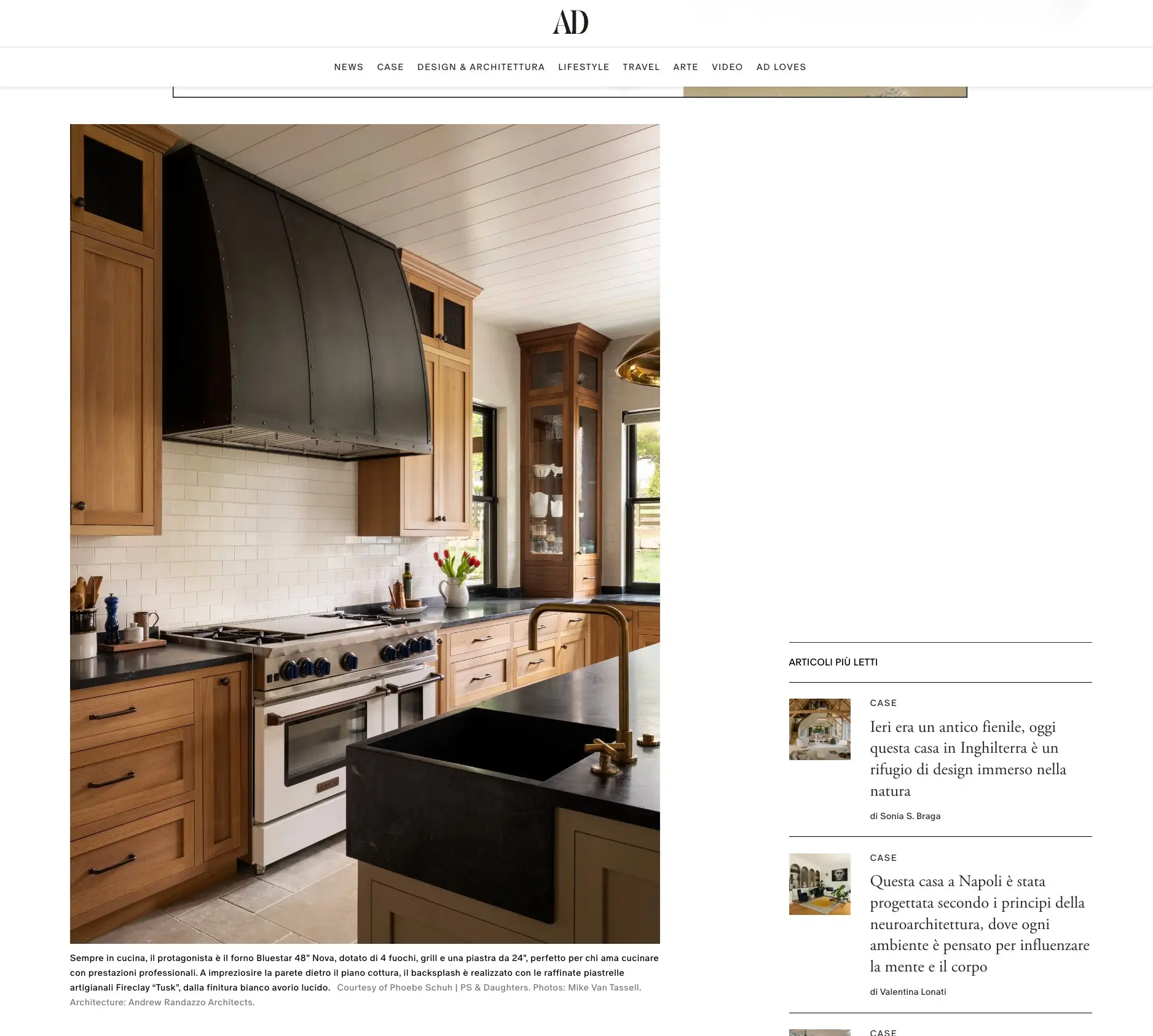
AD's international editions (Italia, France, Germany, Mexico, India, Middle East) are dramatically more accessible for American designers. They publish American projects regularly, especially when the project has an international design influence or unusual materials story. AD Italia in particular has a track record of publishing American kitchen work.
Luxe operates regional editions, a critical detail most designers miss. There is Luxe National, but there are also Luxe Colorado, Luxe Pacific Northwest, Luxe New York, Luxe Texas, and several others. Pitching to your regional Luxe edition is dramatically easier than pitching to the national magazine, and a regional Luxe placement absolutely counts in your portfolio. Many features that appear in Luxe National started life in a regional edition.
Luxe likes refined craftsmanship, custom millwork, and thoughtful sourcing. They are a strong fit for Raw Urth projects.
House Beautiful publishes both online and in print, and the online side has a much faster editorial cadence, meaning more opportunities to be featured. They lean into color, personality, and approachability. A House Beautiful online feature is real exposure and can lead to print coverage.
Veranda's aesthetic is refined traditional with a Southern accent, though they publish nationally. Strong fit for warm, layered kitchens. They are particularly responsive to projects with strong craftsmanship narratives.
Galerie is art-world adjacent, they cover homes the way art magazines cover collectors. If your client is a notable art collector or if the home integrates significant artwork, Galerie should be high on your list.
Do not underestimate these. A Mountain Living feature is read by people who hire mountain-home designers. A Colorado Homes feature is read by Colorado buyers, builders, and architects. The ROI on a regional placement for your local business is often higher than a national placement, because the audience is your actual buyer pool.
Almost every state has at least one strong regional shelter magazine, and most of them are actively looking for projects. Start here. Always.
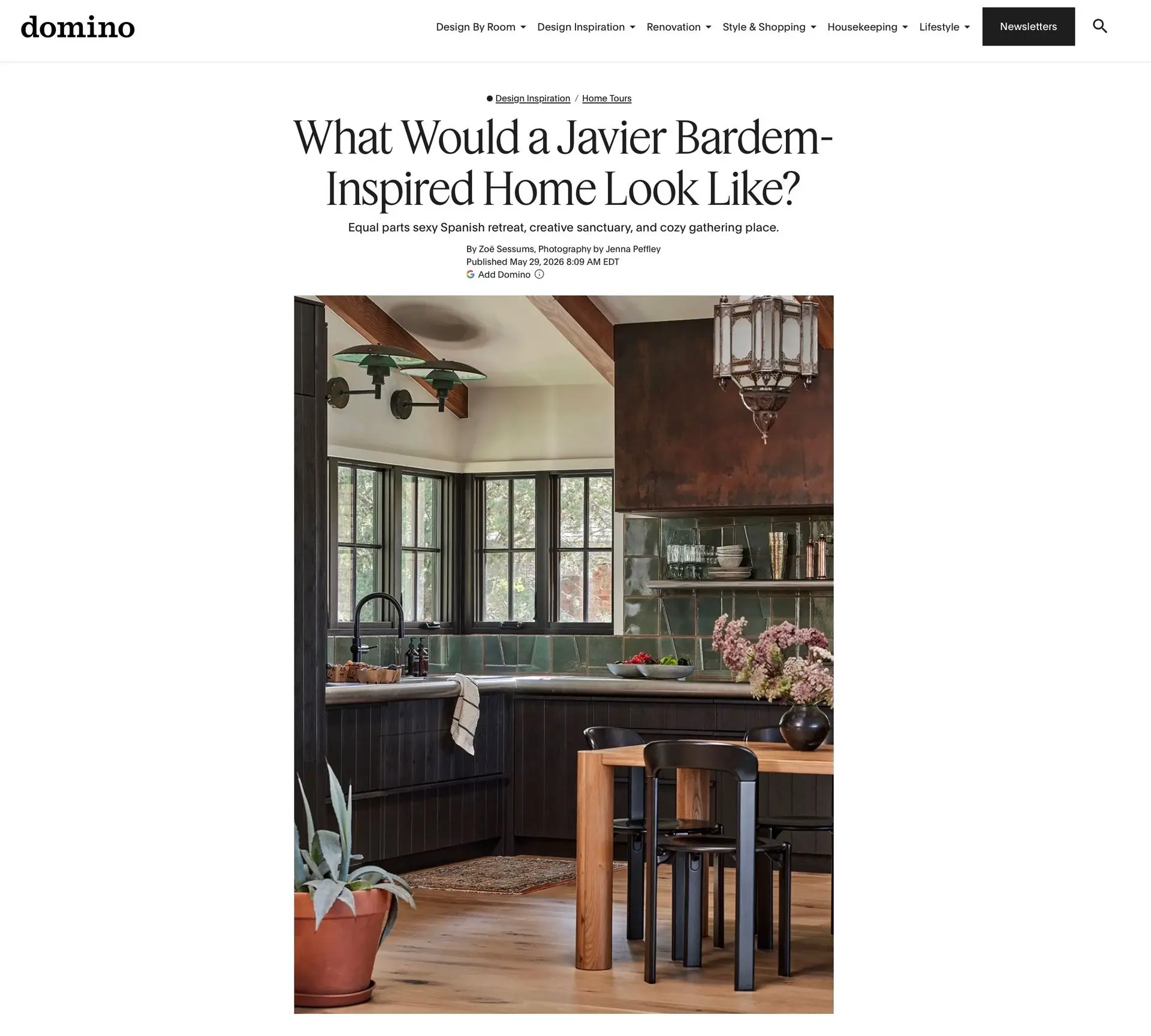
Dering Hall, 1stDibs editorial, Domino, Apartment Therapy's design coverage, and the editorial side of Houzz all publish kitchens regularly. They have lower barriers than print and can be the credibility-building first clip that opens print doors.
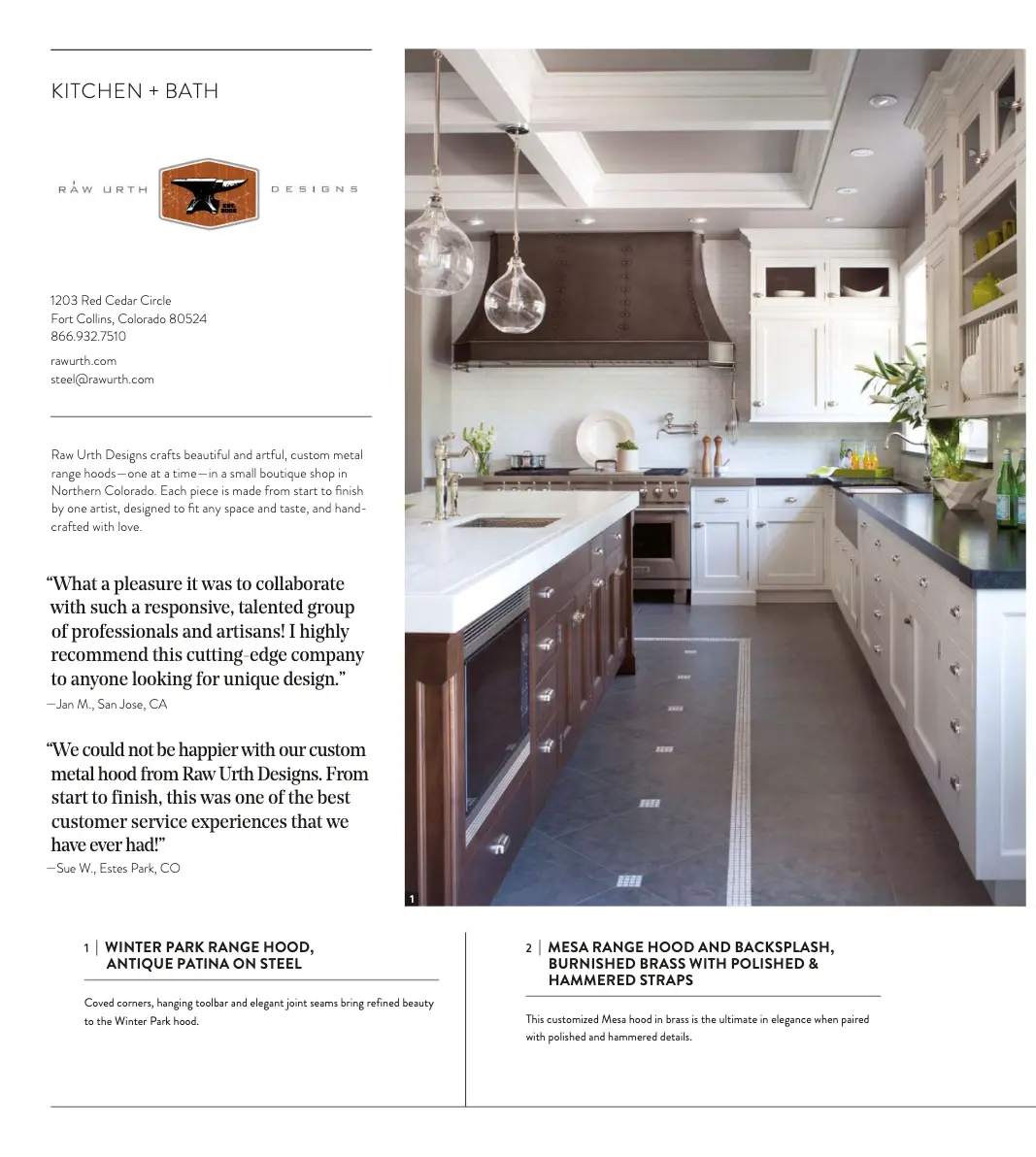
THE UNWRITTEN RULES.
Editors will not tell you these things in their submission guidelines. They are the difference between submissions that get opened and submissions that get archived unread. Most of what follows we learned by watching enough placements happen to spot the patterns.
When an editor receives a pitch from a designer they don't know, the very first thing they do is search the designer's Instagram. If the feed is inconsistent, unfocused, or features mostly the project being pitched, the email gets archived. If the feed shows a clear point of view, consistent quality, and the kind of work the publication runs, the email gets opened.
Audit your Instagram before you pitch. If it doesn't read as a coherent portfolio, fix it before you send anything. This is the single highest-leverage thing you can do for your submission odds.
Editors decide whether to open a pitch based on the first image. They decide whether to consider it based on the first three images. The text is read last, and often skimmed. If your shot list does not lead with your strongest image, you have already lost.
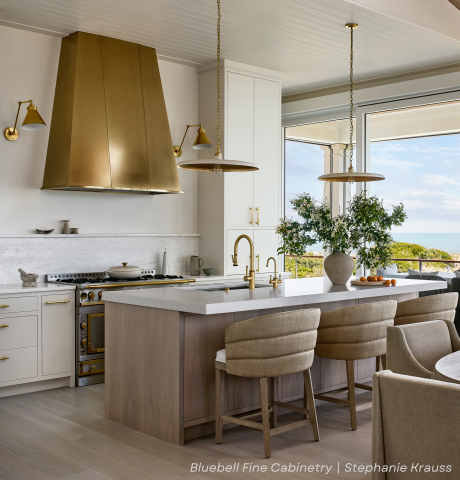
Lead with the kitchen's hero shot. The one image that, if you had to tell the entire story with a single photograph, you would choose. For Raw Urth kitchens, this is almost always the wide shot that shows the hood as the architectural anchor of the room.
Publications want to be the first to show a project. If you have shopped a project to multiple titles simultaneously, do not pretend otherwise, editors talk, and being caught lying about exclusivity will end relationships permanently. But if you can offer a publication a true exclusive, say so. This dramatically increases your odds.
A useful framing: "This project is being offered exclusively to [Publication Name] for first-print rights. If you decide to pass, I will consider other titles."
Designers who get placed regularly know their editors by name. They commented on the editor's posts. They sent a thoughtful note about a recent feature. They saw the editor at a trade event and introduced themselves without pitching anything.
When that designer eventually sends a project, the editor knows who they are. The email gets opened. Cold pitches from unknown designers rarely place. Warm pitches from known names regularly do.
Almost every shelter magazine publishes annual 'best kitchens,' 'best baths,' or themed issues (mountain homes, coastal homes, historic renovations). These features need many projects, not one. Your odds of being included in a roundup are dramatically higher than your odds of being the cover feature. Pitch into the themed issues your work fits.
Most publications post their editorial calendar publicly each fall for the following year. Find it. Plan your pitches around it.
A spring 2027 issue is being assigned in fall 2026. If you are pitching a project for spring placement, you should be pitching it in early fall. Pitching a finished project in spring for spring placement that same year almost never works.
Send the pitch. Wait ten to fourteen days. Send one polite follow-up. Wait another ten to fourteen days. If you have not heard back, move on. Three or more follow-ups will get you remembered, but not in the way you want.
PHOTOGRAPHY: WHERE MOST DESIGNERS UNDERSPEND.
Editors at shelter publications look at photographs all day. Their eye for quality is extreme. iPhone shots, even excellent ones, will not place. Photographs from a generalist real-estate photographer will not place. The only photography that places is work shot by a professional architectural and interiors photographer who shoots specifically for publication.
This costs money, typically $3,000 to $10,000 for a full kitchen shoot depending on the photographer and region. It is, without question, the highest-ROI line item in your project's marketing budget. A great editorial shoot opens publications, opens client doors, and lives in your portfolio for a decade. A weak shoot closes all of those doors before you ever try.
- A photographer whose existing portfolio includes work published in the titles you are pitching to. Look at their recent work and ask which publications it appeared in.
- Both natural-light and lit shots of the same scenes. Publications make their own choices about which to run, and they want options.
- A wide hero shot, mid-range detail shots, and tight detail shots of materiality. Editors call this 'a full take.'
- Multiple compositions of the same hero scene from different angles. Editors want choices.
- Properly styled scenes. A clean kitchen with no food, props, or signs of life will not place. Bring a stylist, or build a strong styling plan with the photographer.
- Full image rights for the designer, plus permission to share with publications. Read the contract carefully. Many photographers limit how images can be used.
For any Raw Urth project, we recommend designers commission these specific shots. They cover every editorial use case we have watched publications request.
- The hero - wide kitchen shot with the hood as the visual anchor. Two compositions, daylight and evening.
- The vignette - mid-range shot framing the hood, range, and immediate surroundings.
- The detail - tight shot of the hood's craftsmanship, finish, and any custom elements.
- The context - a shot showing how the kitchen relates to the adjacent room (often the most useful image for editors writing the story).
- The lifestyle - at least one shot with a person in the kitchen, even if abstracted. Editors call these 'human-scale' shots.
- The architecture - a shot that emphasizes the room's architectural bones, with the hood as part of the composition.
Raw Urth maintains relationships with architectural photographers across the country whose work has been published in the titles in this playbook. Studio members can request introductions through our marketing coordinator. These are not exclusive arrangements, you are free to work with anyone, but if you don't already have a photographer relationship in your region, this is the fastest way to find someone good.
Feel free to reach out to them independently too. We have pulled together a list of names across the country that we have personally worked with and trust to help your search.
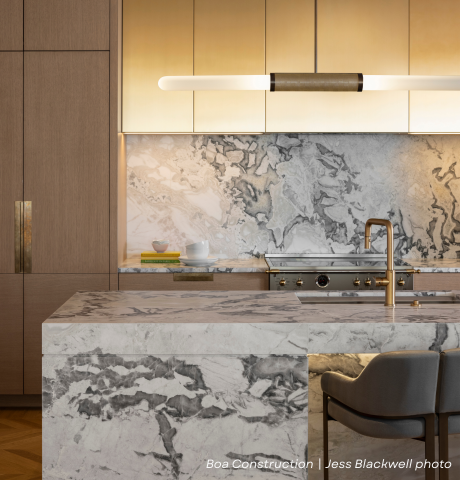
THE SUBMISSION PROCESS, BY PUBLICATION TEIR.
Different publications expect different things. Submitting to a regional shelter magazine looks almost nothing like submitting to AD. Match your approach to the tier.
Regional editors are accessible. Many will respond to a direct email. Some have submission forms; many do not. The most effective approach is a short, warm email to the editor by name, with three to five attached images at moderate resolution, and a one-paragraph project description.
Regional editors often want to see projects before they are fully professionally photographed, especially if the project is local and the editor can visit. If you have a striking project but no editorial photography yet, regional submission is still on the table; sometimes the publication will commission its own shoot.
These typically have editorial calendars and themed issues. Pitch into specific issues, not generally. "I am writing because your Spring 2027 mountain homes issue feels like a fit for a project I just completed in Aspen" is dramatically stronger than "I would love to be featured in your magazine."
Lead with one or two images embedded in the email body, plus a link to a private Dropbox or web gallery with the full take. Do not attach large files.
By this rung, professional photography is non-negotiable. Most publications have submission portals on their websites, but the highest hit rate comes from a direct email to a specific editor who has covered work similar to yours. The portal is the back door; the named editor is the front door.
Tailor the pitch to a specific section or department of the magazine: "I am writing in regard to the Materials & Makers column" lands very differently than "I would like to be considered for editorial coverage."
Each international edition has its own editorial staff and submission process. Some accept email pitches; some require submission through their parent company's portal. Research each one specifically. AD Italia, AD France, and AD Mexico have all published American projects in recent years.
International pitches benefit from a clear hook explaining why an American project belongs in an international magazine. Material story, architectural influence, or client connection to the country all work well.
AD US is rarely pitched cold and almost never published from a cold submission. Designers who place here typically have prior AD international placements, a relationship with an AD editor (often built through showroom events, trade shows, or industry introductions), or a project with a hook so unusual that it sells itself.
If you are pitching AD US cold, your pitch should be one page maximum, lead with three exceptional images, and have a story hook in the first sentence that makes the editor want to keep reading.
THE PITCH EMAIL, ANNOTATED.
Below is a template pitch email that has been adapted from the patterns we have seen work for Studio members. The annotations explain why each choice is made. Adapt it to your project and your voice, but keep the structure.
Subject Line:
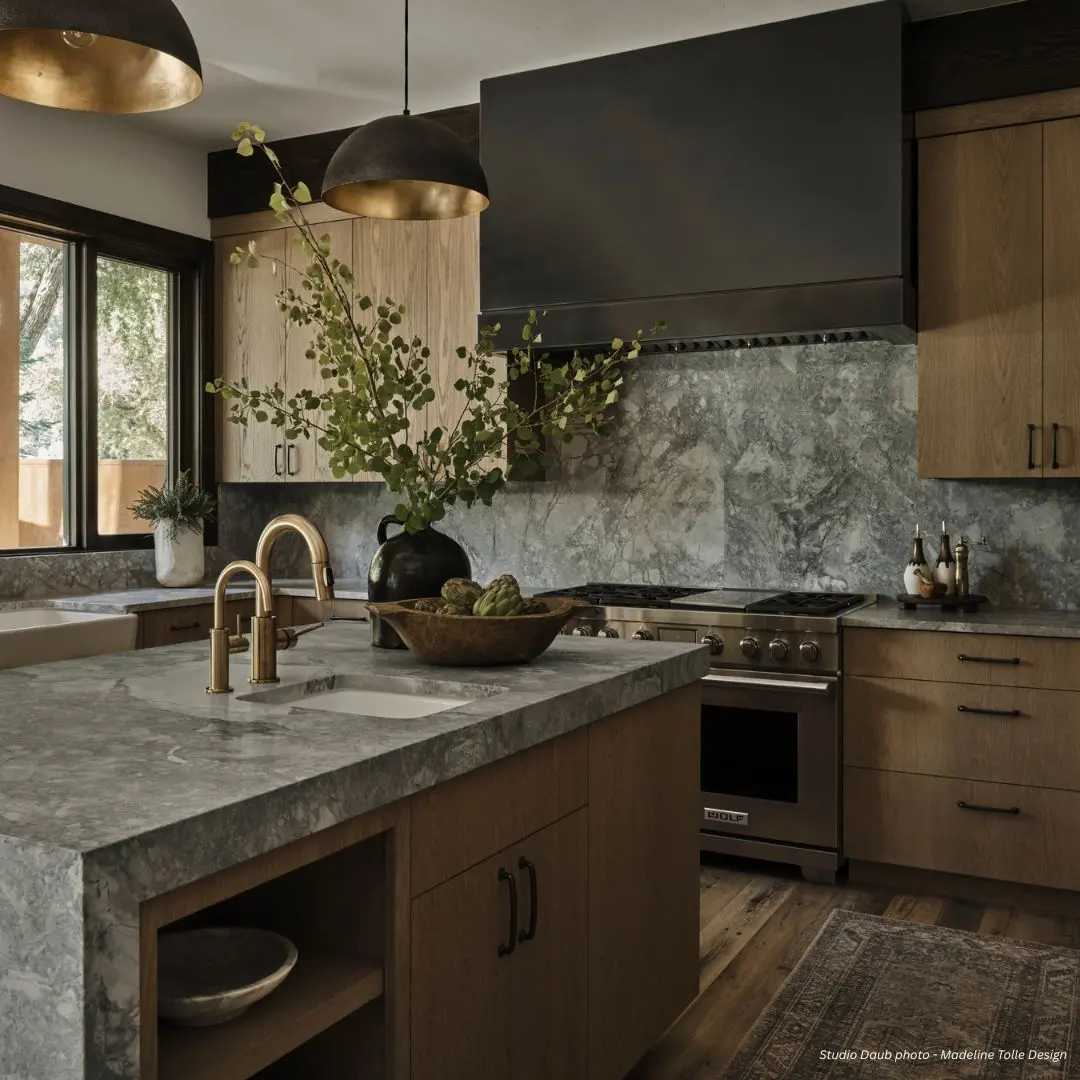
Project pitch: A 1920s Aspen kitchen rebuilt around a hand-blackened steel hood
WHY: Subject lines that read like editorial headlines outperform subject lines that read like sales emails. The format is: "Project pitch: [Brief evocative description]." Avoid "Pitch," "Submission," or "For your consideration."
Opening:
Dear [Editor First Name],
I have been following your work at [Publication]. Your piece on [specific recent feature] resonated with me, particularly the way you framed [specific detail]. I am writing because I think a project I just completed may be a good fit for your [specific column or upcoming themed issue].
WHY: Three things this opening does. (1) It uses the editor's name, which proves you researched. (2) It references a specific recent piece, which proves you read the publication. (3) It mentions a specific column or themed issue, which proves you are not blast-pitching. These three details place you in the top 10% of pitches by themselves.
The Project in One Paragraph:
The project is a 4,200-square-foot kitchen and family room in a 1924 Aspen mining-era home. The homeowners, a couple who collect mid-century studio pottery, wanted a kitchen that respected the original architecture but felt unmistakably present. The hood is the architectural anchor: a hand-blackened steel piece custom-made by Raw Urth, designed to read as if it had always been part of the house. Construction wrapped in September. We photographed it with [Photographer Name] in October.
WHY: Lead with the story, not the spec list. Editors are looking for narrative, not features. Note the specifics: square footage, year of the home, who the clients are (described, not named), what the design problem was, how it was solved, and when it was photographed. The mention of the photographer signals to the editor that the work has been professionally shot.
The Hook:
The reason I am pitching this to [Publication] specifically is that I think the hood, and the way it transforms a relatively small footprint into something architecturally substantial, fits the conversation your magazine has been having about [specific theme the publication covers].
WHY: Tell the editor why this project belongs in their magazine. If you cannot answer this question in one sentence, your pitch is not ready.
The Offer:
I am offering this project as a first-print exclusive to [Publication]. The full image take, [number] shots from [Photographer Name], is at [Dropbox or gallery link]. I have included three of the strongest images below for context.
If this is useful, I am also happy to share details on the materials and makers behind the project, including [Raw Urth] who fabricated the hood. They have offered to provide additional process imagery and a statement from their founder if helpful for the story.
WHY: The offer of exclusivity matters. The mention of Raw Urth (or whoever fabricated the marquee element) signals to the editor that there is a deeper materials story to be told if they want it, and that the maker is engaged, which makes the editor's job easier.
Close:
Happy to answer any questions, send additional images, or jump on a call. If this is not a fit for [Publication] right now, no problem at all. I will keep an eye out for the right project for you in the future.
Warmly,
[Designer Name]
[Studio Name] / [City]
[Website] / [Instagram]
WHY: The close does three things. It offers a follow-up path without being pushy. It releases the editor from any sense of obligation, which paradoxically makes them more likely to engage. And the signature includes Instagram, because the editor will look at it within ten minutes regardless of whether you include it.
WHAT RAW URTH WILL DO FOR YOUR SUBMISSION.
When you submit a project that includes a Raw Urth hood, copy us. We do not need to see the full pitch (though we love to). Just let us know which publication you submitted to, and when. From that moment, we will quietly support the submission in every way we can. None of this requires you to do anything extra. It is part of being in the Studio.
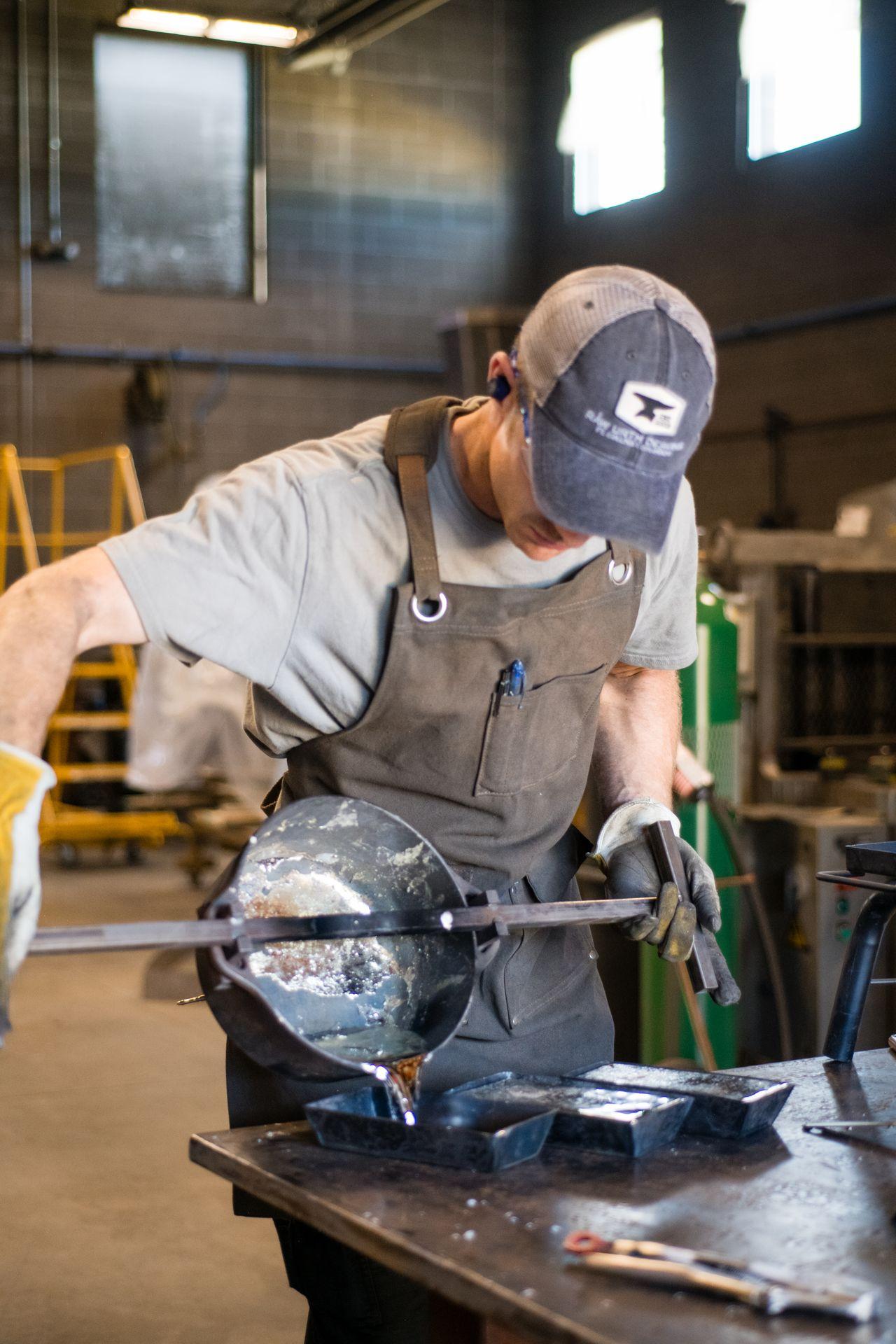
We will provide high-resolution photography of your specific hood being fabricated in our workshop. Sparks, metalwork, the maker's hands, raw material at scale. Editors love this kind of imagery because it lets them tell a 'craft' story alongside the 'design' story. Few publications can resist a kitchen feature with a workshop sidebar.
For projects where we have time-lapse or behind-the-scenes video of fabrication, we can share that as B-roll. Useful for digital editions and for editors considering a longer-form treatment.
If the publication asks about the hood specifically, material choice, technique, the design conversation that produced it, we will provide a short quote from Amy on behalf of Raw Urth. Editors find unattributed material descriptions tiring; a real voice from the maker often unlocks an angle they didn't see.
If you are still building your shot list and need a photographer in your region who has worked with publications before, we can make introductions. We have working relationships with architectural photographers across the country.
We will not pitch on your behalf. We will not contact the editor unless you ask us to and the editor asks for us. We will not claim credit beyond "hood fabrication by Raw Urth." This is your project, your client, and your story. We are in the background, where we belong.
Call the Studio Line. "Just submitted [project name] to [publication], pitching the [column or theme]. Anything you can share for the submission?" That's it. We will respond within one business day with what we have.
If you are starting on a project you think you will ultimately submit, let us know ahead of time. That will ensure we are taking as much content and pulling together everything you might need while we work on your hood. The sooner we know the better!
AFTER YOU SUBMIT.
Congratulations. A few things to know.
Publications often want the project on hold, meaning you cannot publicly post it, share it on social media, or pitch it to other titles until they publish. This hold can last six to twelve months. Read the agreement carefully. The single most common rookie mistake is breaking embargo by posting on Instagram before the issue runs. It will get the feature pulled.
Publications will often request additional images, additional information about specific materials and makers, or in some cases will commission their own additional photography. Be responsive. Editors are juggling fifty stories at once; the designers who are easy to work with get assigned more features.
When the issue runs, you have rights to use the published images in your own portfolio with proper credit. Confirm those rights in writing before the issue goes to print.
Reply with a short, warm thank-you. "Thank you for considering this, I appreciate the time. I'll keep your work in mind for the right future project." This costs you nothing and keeps the door open. Designers who handle rejection gracefully often get their next pitch read more carefully.
Then immediately pitch the project to the next publication on your list. Most published projects were rejected by at least one other publication first.
Silence is not a rejection. It is usually the editor being underwater. Send one polite follow-up at ten to fourteen days. If you hear nothing within a week of the follow-up, consider the project free to pitch elsewhere, but do not write the editor off. They might come back to you on a future project, or move publications and remember your work.
Either way, tell us.
When you hear back from a publication, accepted, rejected, or unresponsive, let us know. We are building this playbook in real time, and the more we know about what is happening across the Studio, the better the playbook gets for every other member. Your submission becomes part of how we help the next designer.
THE PORTFOLIO IS THE LONG GAME.
We have watched designers obsess over individual placements and we have watched designers play the long game. The long-game designers always win.
A single AD placement is exciting. A portfolio that shows steady editorial coverage across regional, lifestyle, and national titles over five years is a business. It is what gets the next client. It is what justifies the next price increase. It is what makes you the designer that other designers refer their overflow to.
Every project you finish is potential portfolio fuel. Treat it that way from the day the contract is signed. Plan the photography before construction starts. Identify the publication you want to pitch before the project is photographed. Build the submission as you build the kitchen.
And when you have a Raw Urth hood in the project, remember that you are not alone in this. The Studio is a small group of designers, architects, and builders quietly building publication-worthy portfolios, together. We are watching every submission, learning every result, and refining this playbook for the next member who needs it.
Welcome to the Studio!
Questions, requests, or stories from your own submissions? Give us a call.